
Project Management:
The Science and Art
Atamuratov Nodirbek
Presenter & Student
Strategic alignment drives competitive advantage.
Why Do We Need It?
Cost & Time Savings
Reduces waste and ensures deadlines are met.
Strategic Alignment
Ensures that project tasks contribute to broad business goals.
Project Initiation
-
Project Charter
The document that formally authorizes the project and outlines objectives.
-
Stakeholder ID
Identifying anyone affected by the project to manage expectations.

Feasibility Study
"Does this project make financial sense?"

The Roadmap
A comprehensive Project Management Plan is the primary reference.
Project Planning
WBS (Work Breakdown Structure)
Dividing total work into smaller, manageable tasks.
Scheduling & Budgeting
Using Gantt charts for timelines and detailed cost estimation.
Project Execution
-
Team Leadership
Motivating the team and resolving conflicts dynamically.
-
Quality Assurance
Implementing processes to ensure work meets required standards.

Project Closing
-
Handover & Contracts
Closing invoices, releasing resources, and delivering to the client.
-
Lessons Learned
Documenting what went well and what went wrong for future improvement.
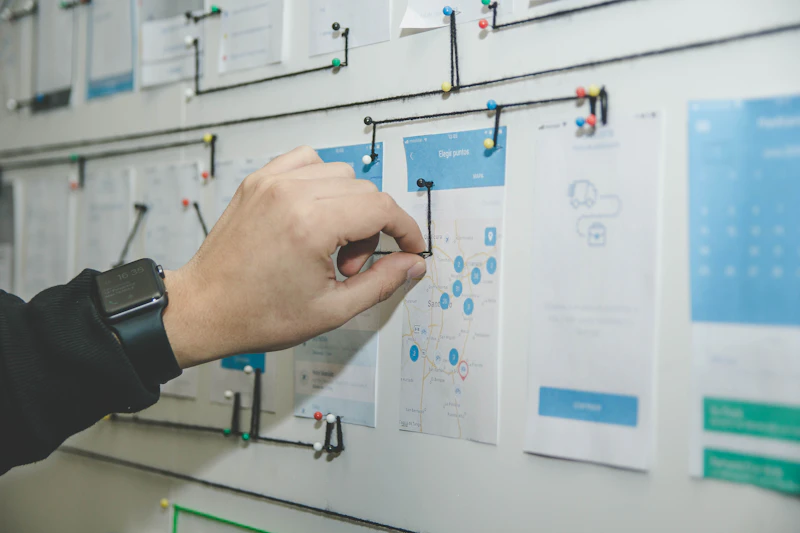
Mission Accomplished
Agile & Scrum
-
Iterative Sprints
Delivering working portions of the product every 2-4 weeks.
-
Scrum Framework
Daily stand-up meetings to discuss progress and obstacles.

Continuous Improvement
Leading the Team
Tuckman’s Stages
- Forming: Getting started.
- Storming: Conflict arises.
- Norming: Resolving differences.
- Performing: Peak efficiency.

Vision & Trust

Art of Communication
-
Global Teams
Navigating time zones and cultural differences in virtual environments.
-
Stakeholders
Tailoring the message: High-level for sponsors, detailed for devs.
Software & Tools
Jira
Tracking
Trello
Kanban
MS Project
Scheduling
Slack
Comms